

Everyday Products That Cause Deforestation

Palm oil and cattle ranches may dominate deforested landscapes, but numerous other human activities contribute to the loss of tropical forests around the world. To help protect rainforests, you can shop smarter for everyday items. Here are four common products that you may not know contribute to deforestation:
Clothing 
Fast fashion relies on low-cost, versatile fabric, and demand is rising for semi-synthetics like viscose and rayon. These fabrics are soft, breathable, and drape well and are used in styles from athleisure to evening wear. But their natural cellulose component is made from chemically processed wood pulp. Their growing popularity has led to the deforestation of vast swaths of rainforest in the Amazon and Southeast Asia.
Style does not have to compromise sustainability. Eco-friendly alternatives, like linen and bamboo-based fabrics, are better choices.
Tires 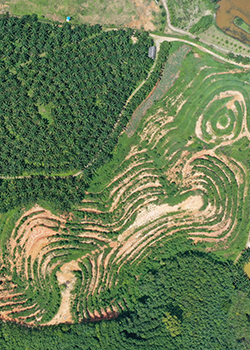
Emissions from gas-powered cars are a well known culprit of environmental harm, but did you know that car tires cause serious damage, too? Global demand for tires is growing and, while the expansion of electric cars may reflect a positive trend for emissions, these heavier vehicles wear tires out faster. Deforestation for rubber plantations is on the rise, rivaling that of land conversion for palm oil or coffee.
Forest-friendly certification is mostly absent among commercial tire manufacturers, but simple vehicle maintenance can increase tires’ lifespan, and some local retailers recycle used tires or offer products made from recycled rubber.
Chopsticks 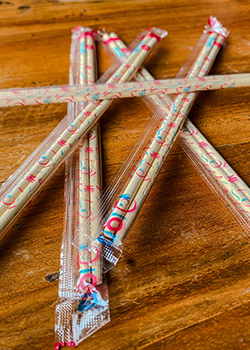
An environmental movement to save China’s forests stems from the humble chopstick. Each year, 80 million trees in China—the world’s largest supplier and consumer of chopsticks—are felled, chopped, pulped, then manufactured for products discarded after a single use.
Sustainable, single-use products are available from brands that source wood responsibly. But growth in online food delivery has increased the demand for disposables. Durable, reusable chopsticks are still the best option.
Incense 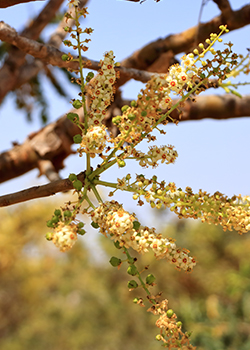
A calming fragrance may settle the senses, but it can also hide a dark reality. Palo Santo incense, derived from a tropical tree in South America, has been central to Indigenous rituals for generations, but its growing popularity in the wellness industry places a new burden on this species and its rainforest habitat. Similarly, resin from frankincense (shown at right)—used in religious rituals since ancient times and, more recently, across the wellness industry—is often unsustainable due to overharvesting. The Boswellia trees that create the fragrant resin are difficult to cultivate, so the industry relies on wild trees, which can suffer and die when they are overtapped.
Some—but not many—incense brands list the sources of their aromatic components, so it is possible to purchase eco-friendly fragrances by looking for products that are labeled as “ethically” or “sustainably sourced.” Countries like Peru and Ecuador offer certification systems for exported incense products.
When it comes to protecting the world’s rainforests, every action counts. Next time you are shopping for clothes, tires, or take-out, consider the larger consequences of your choices. You can also amplify your impact to protect rainforests. When you give to our Conservation Action Fund (CAF), you support our efforts to halt deforestation in the most vulnerable rainforests and help preserve irreplaceable tropical landscapes.
Sign up to receive the latest updates
"*" indicates required fields