

4 Reasons Why Palm Oil Is a Fatal Threat on Borneo

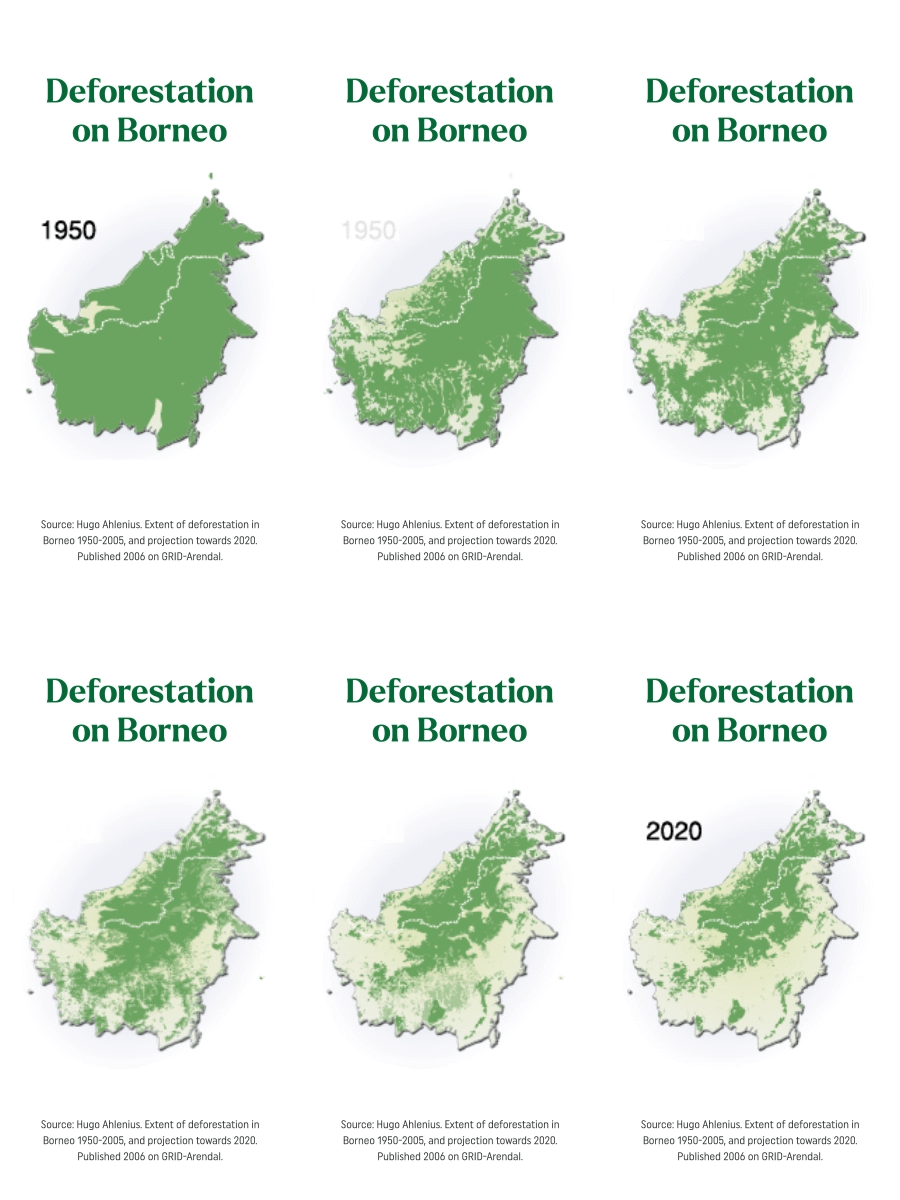 The rainforest of Borneo has survived longer than almost any other forest on Earth. More than 140 million years of evolution have created a spectacular web of biodiversity. But in less than a century, deforestation has destroyed half of this ancient rainforest and its irreplaceable habitats.
Deforestation for industrial-scale agriculture, particularly palm oil production, has razed Borneo’s rainforest. Rampant destruction has claimed habitat for vulnerable species and harmed Indigenous communities who have lived here for generations. Here are four reasons why palm oil persists as a fatal threat:
1. Global demand is insatiable
Half of all packaged grocery products in the U.S. contain palm oil, and this isn’t just limited to food. Lipstick, toothpaste, even deodorant and detergent all contain palm oil. To meet global demand, commercial-scale plantations have replaced much of Borneo’s lowland rainforests. This tropical island supplies more palm oil for the global consumer market than any other region of the world.
Palm oil is also easy and cost-effective to produce. An oil palm tree produces fruit year-round for about 20 years, and both the flesh and the seed of the fruit are processed to extract oil. Oil palms yield up to ten times more oil than other crops like soybeans or sunflowers.
2. Oil palm plantations replace critical wildlife habitats
Oil palms originated in Africa, and they grow well in tropical settings like Borneo. In the last 25 years, deforestation in Borneo has accelerated with the conversion of lowland rainforest to agricultural plots, and oil palm plantations are the primary cash crop. Oil palm plantations are responsible for 40% of land-clearing for agriculture in Borneo. Once lush and vibrant, full of an incredible variety of species, vast areas of lowland terrain now sustain row after row of non-native oil palm trees.
Borneo’s rainforest habitats are irreplaceable for wildlife on the edge of extinction, including the Critically Endangered Helmeted Hornbill. Habitat loss and poaching have nearly driven this species out of existence. The old-growth hardwoods of Borneo’s rainforests are a fading lifeline for Helmeted Hornbills that need the deep cavities of tall trees to build their nests. Safely tucked into the tree’s trunk, a female Helmeted Hornbill and her young can hide from predators and poachers.

Critically Endangered Helmeted Hornbills build their nests in cavities along the trunks of old-growth trees, by Thattanapong
3. Unsustainable palm oil production makes climate change worse
Deforestation for oil palm plantations and other development makes rainforests less resilient to drought and other environmental disasters, which are on the rise amid climate change and the effects of a powerful El Niño. The common “slash and burn” method to quickly convert rainforest acres to agricultural plots further raises the risk of destruction. These fires not only destroy wildlife habitats on the intended plots but can burn out of control during hot and dry conditions.
Decades of deforestation have dried out the peatlands that store millions of years of accumulated carbon on Borneo. When these peatlands burn, as they have with this year’s record-breaking fire season in Indonesia, they can smolder underground for weeks and release three times more carbon emissions than a typical fire in the tropics.

Smoke rises from Borneo’s rainforest on September 19, during Indonesia's worst fire season in more than a decade. © NASA
4. Deforestation harms communities
The Dayak Indigenous Peoples have stewarded their ancestral territories in Borneo’s rainforest for centuries through ecological practices that are deeply rooted in cultural and spiritual beliefs. With the expansion of oil palm plantations, they have suffered the loss of lands and waters that provide their food, medicine, livelihoods, and cultural identity. Our project in the upper basin of Borneo’s Mahakam River will center their voices and needs in conservation and management strategies, including livelihood development programs.
The good news is that you can make a meaningful difference by joining us to protect Borneo’s rainforest habitats and endangered species before they are lost forever.
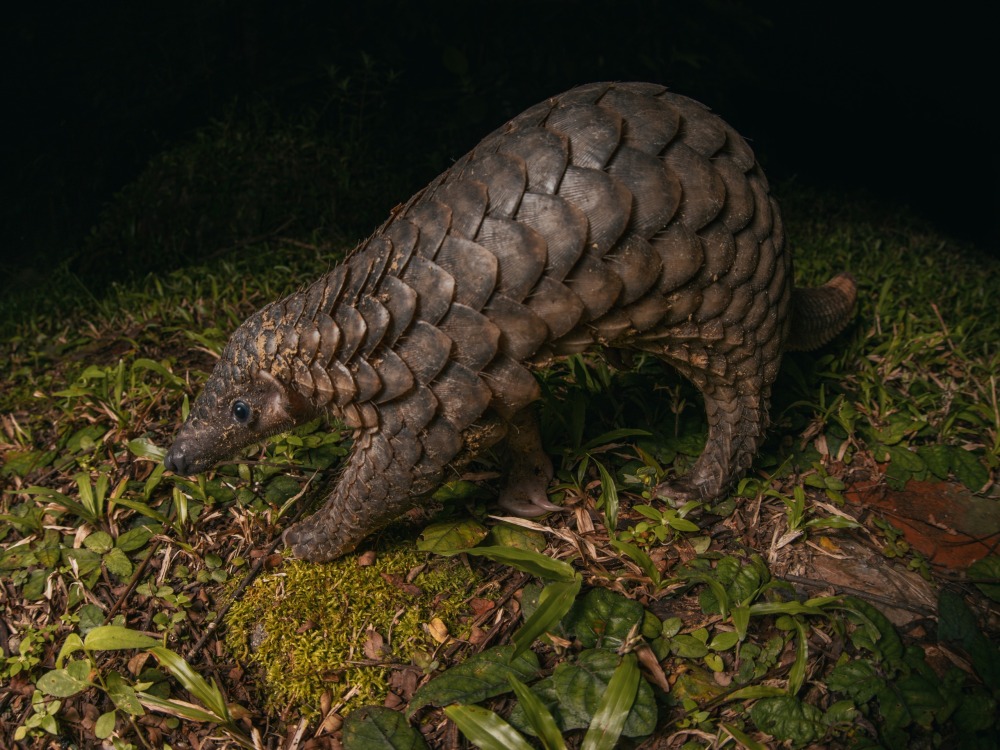
Your gift will help us save vital habitat by supporting Indigenous-led conservation in Borneo. With our local partner, Yayasan Konservasi Alam Nusantara, we will support the creation of Customary Forests or Village Forests across 600,000 acres connected to Betung Kerihun National Park and Bukit Sapat Hawung Nature Reserve, contributing to total protection that covers approximately 2.4 million acres.
Government designations will guarantee the right of the Dayak Indigenous Peoples to pursue sustainable, forest-based livelihoods while protecting the rainforest and its wildlife from destructive outside interests.
Donate now to help protect Borneo’s rainforest and triple your impact for its irreplaceable wildlife. All gifts will go 3 times as far until we reach our $100,000 goal.